The performance differences between 3Cr-H13 steel and traditional H13 steel
Apr 09, 2026
The performance differences between 3Cr-H13 steel (with Chromium content reduced to 3%) and traditional H13 steel (with 5% Cr content) were compared. Microstructural and phase composition analyses were conducted using SEM, TEM, and XRD to investigate the influence of Chromium on the properties of H13 steel.

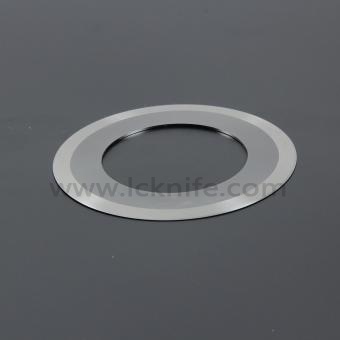
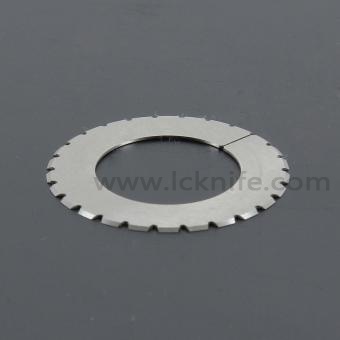
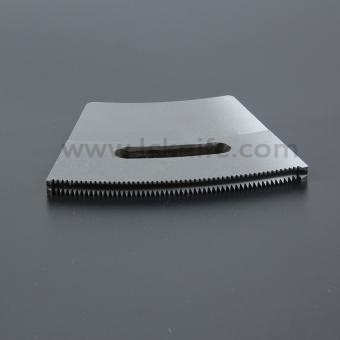
The results indicate that reducing Cr content significantly improves the tempering stability and high-temperature strength of H13 steel. This improvement is primarily attributed to the degree of martensite recovery in the tempered structure and the specific types of secondary carbide precipitation.Traditional H13 Steel: When tempered at 650°C, the martensite undergoes nearly complete recovery, leading to a significant drop in matrix strength. Large quantities of near-spherical Cr7C3 and M6C carbides precipitate along the original martensitic lath and grain boundaries, weakening the secondary phase hardening effect.3Cr-H13 Steel: After tempering at 650°C, the matrix retains its lath martensite structure with a high dislocation density. Simultaneously, a large volume of fine, dispersed, short-rod-shaped VC (Vanadium Carbides) precipitates within the laths. These carbides provide dispersion strengthening and pin the dislocations, delaying martensite recovery and thereby enhancing high-temperature performance.These blades are ideally suited for hot shearing of medium-to-thick plates and billets in steel mills.

Licheng knife: Tailor-made, cost-effective solutions with one-on-one specialized service for every client!
Newsletter

読み取ってください滞在を掲載して加入し、お客様をお迎えいたしましたにお申し付け下さいませお返事ありがとうございます。.

メッセージ
歓迎 Licheng
ご興味のある方は製品にもっと知りたいと思った詳細メッセージをどうぞここで、以降の回答となりますのでご了承ることができます。

ホーム

製品

連絡先