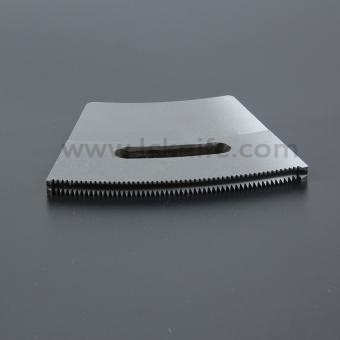
How to Choose the Right Single Shaft Shredder Blade for Tough Plastics
Jul 16, 2026

Shredding tough engineering plastics—like nylon, polycarbonate, thick-walled HDPE, or fiber-reinforced polymers—is a brutal job. It requires more than just raw motor horsepower; it requires the perfect single shaft shredder blade.

If you choose the wrong blade, you’ll end up with melted plastic, chipped teeth, and expensive downtime. Here is how to select the right tool for the job.

1. Match the Steel Grade to the Plastic's Personality

Not all tool steels are created equal. For tough plastics, your choice of material is critical:

  • D2 (SKD11): The industry standard. Excellent for general, abrasive plastics. It offers a great balance of wear resistance and cost.

  • DC53: The ultimate upgrade for high-impact plastics. It has twice the toughness of D2, meaning it won’t chip or crack when digesting thick, rigid plastic lumps or car bumpers.

2. Prioritize Geometry and Sharpness

Tough plastics tend to elasticize and heat up under friction. To combat this:

  • Go Concave: Choose blades with a concave (curved) face. They act like claws, aggressively slicing the plastic rather than blunt-forcing it.

  • Mind the Gap: Keep a tight tolerance between the rotary blades and counter-blades to prevent elastic plastics from wrapping around the rotor.

3. Seek the Hardness "Sweet Spot"

It is a common myth that harder is always better. While high hardness increases wear resistance, it makes the blade brittle. For tough plastics, aim for a professional vacuum heat-treated blade with a hardness of 58–60 HRC. This provides the perfect balance: hard enough to stay sharp, yet tough enough to absorb heavy shocks.

Newsletter

読み取ってください滞在を掲載して加入し、お客様をお迎えいたしましたにお申し付け下さいませお返事ありがとうございます。.

メッセージ
歓迎 Licheng
ご興味のある方は製品にもっと知りたいと思った詳細メッセージをどうぞここで、以降の回答となりますのでご了承ることができます。

ホーム

製品

連絡先