Carbide vs. Steel: Which Plastic Film Slitting Blades Are Right for Your Budget?
May 21, 2026
When optimizing your plastic film converting line, choosing the right slitting knife is a critical decision that directly impacts both product quality and your bottom line. The debate usually comes down to two primary materials: Tungsten Carbide and Traditional Steel. But which one truly fits your budget?

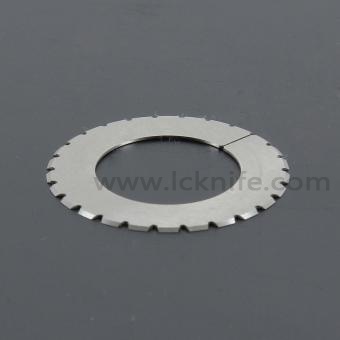
Standard steel blades (including carbon and stainless steel) offer the lowest upfront cost. They are highly flexible and sharp, making them excellent for short production runs or converting less abrasive films like standard PE. If your facility frequently changes setups or handles varied, low-volume orders, steel blades keep your initial investment minimal. However, they wear down quickly, leading to frequent downtime for blade replacements and potential risks of film stretching or burrs as the edge dulls.

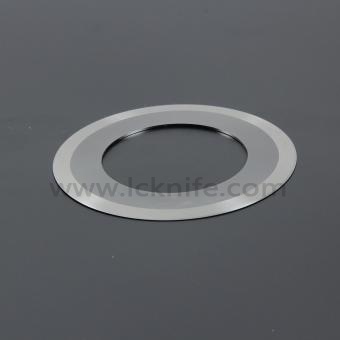
On the flip side, Tungsten Carbide slitter blades require a higher initial investment, but they are engineered for extreme durability. Carbide is incredibly hard and wear-resistant, lasting up to 20 to 50 times longer than standard steel. For high-speed, continuous operations slitting abrasive materials like BOPP, PET, or multi-layer composite films, carbide is the clear winner.

To determine which fits your budget, you must look beyond the initial purchase price and calculate the Total Cost of Ownership (TCO). While steel saves you money today, the labor costs of frequent blade changes and the financial losses from machine downtime can quickly add up. Conversely, carbide blades maximize your uptime and ensure consistent, clean cuts over millions of meters.
Newsletter

読み取ってください滞在を掲載して加入し、お客様をお迎えいたしましたにお申し付け下さいませお返事ありがとうございます。.

メッセージ
歓迎 Licheng
ご興味のある方は製品にもっと知りたいと思った詳細メッセージをどうぞここで、以降の回答となりますのでご了承ることができます。

ホーム

製品

連絡先